Case study: How Colvy helped Roxy Aquarium, an aquarium and pet store, grow its business
Showing the fish in stock, taking the payment in the chat, answering on time, tracking problems as tickets, and running the shop on tasks and a calendar. The challenge, the solution and the results.

| At a glance | |
|---|---|
| Business | Roxy Aquarium |
| Industry | Aquarium and pet store |
| Where | Melbourne: more than one store, plus an online shop |
| The challenge | Turning more questions into sales, keeping support on time, and keeping the stores and the online shop organised |
| The solution | One customer record behind every conversation, payment, ticket, task and booking |
| Colvy features used | Shared inbox, gallery, payment links, deliveries, tickets, DOA claims, tasks, calendar |
Growth in a shop rarely comes from one big change. It comes from hundreds of small moments. A customer is ready to buy, and the shop is ready to answer the question, show them the stock and take the payment before they lose interest. Or a problem gets sorted properly, so they come back.
The challenge
For an aquarium and pet store, those moments happen all day, across every channel:
- Questions that are really sales. "Have you got any rams in?" is a customer ready to buy, if they get an answer and can see the fish.
- Sales that stall. "I'll take it" is easy to lose when paying means a trip to the shop or a bank transfer.
- Support after the sale. A heater stops working, the water turns cloudy, or a new fish isn't eating. Customers want answers quickly.
- Problems that take more than one reply, like a warranty claim, a special order or livestock that arrives dead.
- A team spread across stores, with jobs to share and deliveries to keep track of.
Roxy Aquarium wanted every one of those moments to go well, every day, without depending on someone's memory.
The solution
| What the shop needs | How it uses Colvy |
|---|---|
| Answer every customer, wherever they write | One shared inbox |
| Show customers the actual stock | The gallery |
| Take payment while the customer is keen | Payment links |
| Reply on time, every time | Notifications, assignments and waiting times |
| Sort out problems properly | Tickets and DOA claims |
| Know who's doing what | Tasks |
| Know what's on, and when | The calendar |
1. One inbox for every message
Customers write to Roxy Aquarium by email, through the website, on live chat, and on Facebook, Messenger and Instagram. In Colvy, all of it lands in one shared inbox, with one history per customer. That came first, and everything below builds on it. Read the case study on bringing scattered messages into one inbox.
2. Showing the stock: the gallery
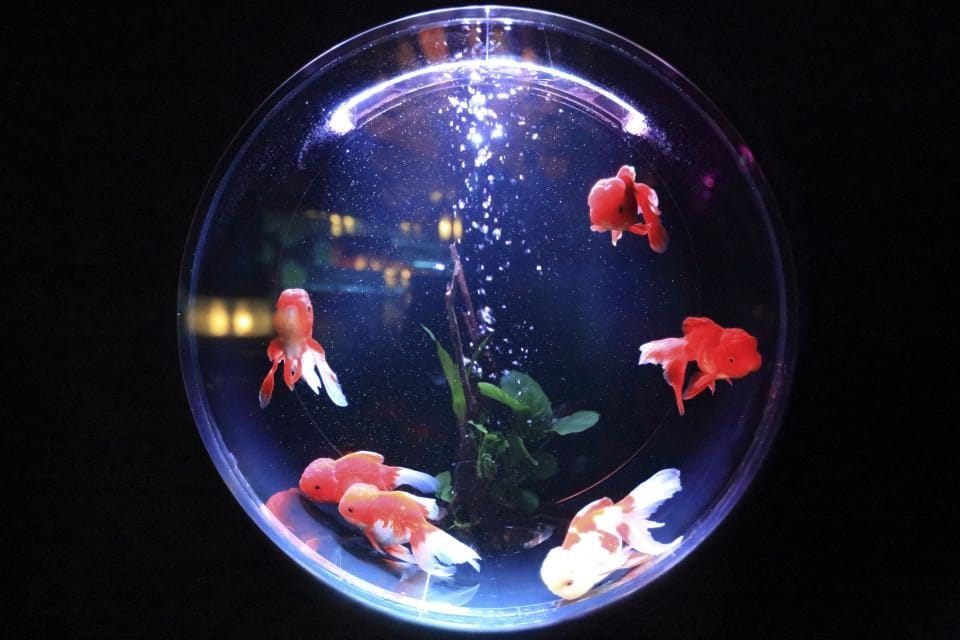
Fish keepers want to see the actual fish, not a stock photo. The team keeps photos and videos of what's in the tanks in Colvy's gallery, sorted into folders, and sends them into any chat in a tap. Photos that customers send, like a picture of their own tank, are kept there too.
3. Taking the payment in the chat
The moment a customer says "I'll take it" is the moment to take the payment. With payment links, the team sends a secure link in the same conversation, and the customer pays by card on their phone. The conversation shows when it's paid, and the sale is recorded against that customer.
From there, the order can be picked up in store or booked in for delivery, and the customer can be sent a tracking link.
4. Support on time
What happens after the sale matters as much as the sale, and an answer a day late can feel like no answer at all. Colvy helps the team reply on time:
- Unread conversations stay at the top, and the team gets phone notifications.
- Each conversation shows how long the customer has been waiting.
- Conversations are assigned, so it's clear who is replying.
- Quick replies cover the questions that come up every week, like water testing, quarantine and opening hours.
5. Tickets for anything that takes more than one reply
Some things can't be sorted in one message: a faulty filter that needs a warranty claim, a special order from a supplier, or livestock that arrives dead. In Colvy, those become support tickets, raised from the conversation, email or the help centre.
Each ticket has an owner, a status, and due times for the first response and the fix. The team can see at a glance what's on track and what's running late.
For livestock, Colvy has a DOA (dead on arrival) claim, linked to the customer's order. The team can refund part of an item's quantity, so one fish out of five is refunded fairly and quickly.
6. Running the business on tasks
A shop runs on jobs that need doing: call a customer back, order more of a fish that keeps selling out, do the water change on a display tank, check the quarantine tanks. With tasks, every job has a name, an owner and a due date. Tasks can be created straight from a conversation, so "we'll let you know when they're in" becomes a task with someone's name on it.
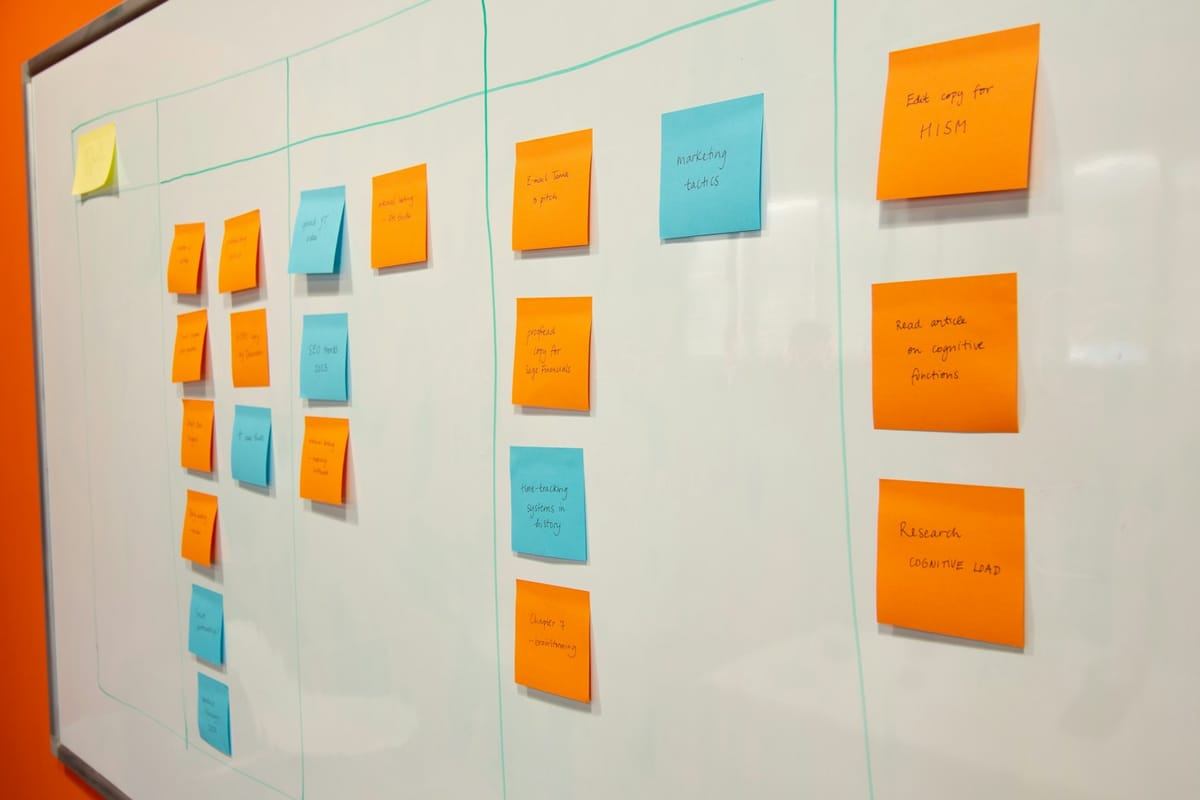
@mentions bring a teammate in when needed, and everyone can see what's done and what's due, at either store.
7. A calendar everyone can see
Deliveries, pick-ups, bookings and tasks with due dates show up on Colvy's calendar, day by day, linked to the customer they're for. Everyone sees what's on today, so a promised delivery doesn't depend on one person's memory.
The results
None of these tools is magic on its own. What makes the difference is that they all work from the same customer record:
- The conversation knows what the customer has bought.
- The payment is recorded against the customer.
- The ticket links back to the order.
- The task links back to the conversation that started it.
Nothing has to be copied between apps, and nothing depends on someone remembering.
| Before | With Colvy |
|---|---|
| "What does it look like?" meant a trip to the shop | Photos and videos sent from the gallery in a tap |
| "I'll take it" meant paying later | A payment link in the same chat |
| Problems tracked in someone's head | Tickets with an owner and due times |
| Jobs on sticky notes | Tasks with a name and a due date |
| Deliveries remembered by one person | A calendar the whole team can see |
For Roxy Aquarium, that means more questions answered while the customer is still keen, more sales closed in the chat, and problems sorted properly instead of forgotten. And the team knows what to do each day.
Read next: the case study on bringing scattered messages into one inbox, and why a business can't run on social media alone. Or start free.
Key takeaways
- A shop grows in small moments: a customer is ready to buy, and the shop is ready to answer, show and take the payment.
- Show the actual stock. Photos and videos from a shared gallery answer "what does it look like?" in one tap.
- Anything that takes more than one reply becomes a ticket, with an owner and a time it’s due.
- Tasks and a shared calendar turn "someone should" into a name and a date.
Bring every conversation into one inbox
Messages, calls, reviews and feedback — all in Colvy. Start free.
Get started free